
 EN
EN Español
 Portugues
 Pусский
 Français
 Deutsch
 日本語
日本語 한국어
한국어 العربية
 हिन्दी
 Tiếng Việt


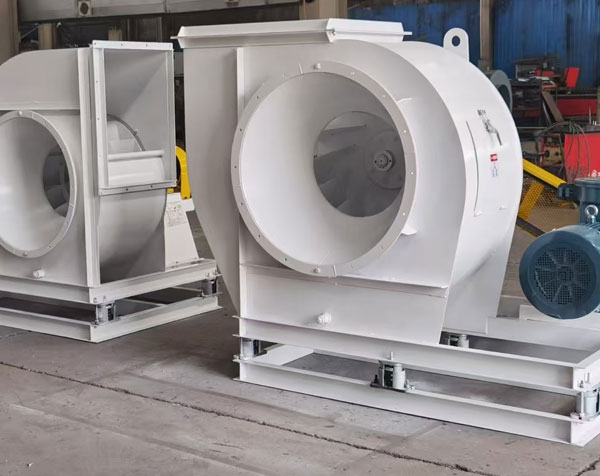


เมื่อผมออกแบบหรือเลือกพัดลมดูดฝุ่นสำหรับระบบระบายอากาศในโรงงานอุตสาหกรรม ผมไม่ได้พิจารณาแค่ตัวพัดลมเพียงอย่างเดียว ผมพิจารณาสภาพการทำงานโดยรวมทั้งหมด ได้แก่ ปริมาณลม ความดัน ชนิดของฝุ่น อุณหภูมิ ระยะเวลาการทำงาน ความต้านทานของท่อ พื้นที่ติดตั้ง และข้อกำหนดในการบำรุงรักษา พัดลมที่ดูเหมาะสมบนกระดาษ อาจทำงานแตกต่างกันมากเมื่อเชื่อมต่อกับระบบดูดฝุ่นจริง
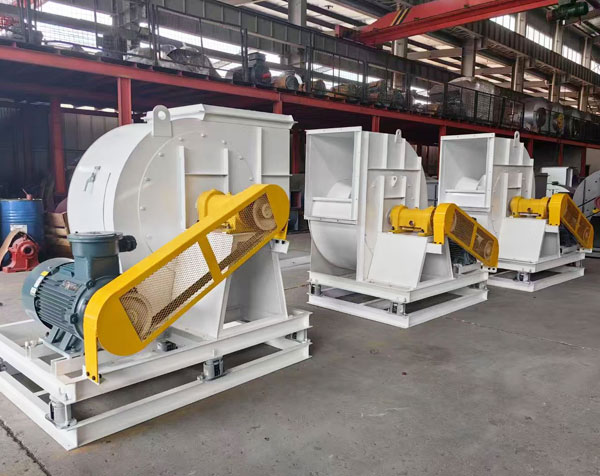
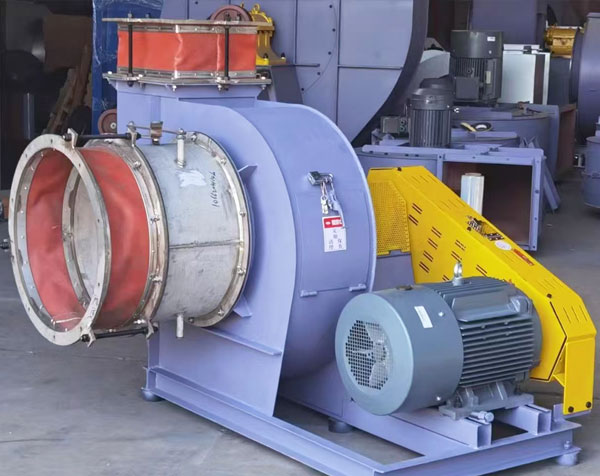
ของเรา พัดลมดูดฝุ่นแบบขับเคลื่อนด้วยสายพาน พัดลมรุ่นนี้ได้รับการพัฒนาขึ้นเพื่อการใช้งานจริงในอุตสาหกรรมประเภทนี้โดยเฉพาะ ออกแบบมาเพื่อจ่ายกระแสลมและแรงดันที่คงที่สำหรับระบบกำจัดฝุ่น ไอเสีย และการบำบัดก๊าซเสีย โครงสร้างแบบขับเคลื่อนด้วยสายพานช่วยให้เรามีความยืดหยุ่นในการปรับความเร็วพัดลมให้เหมาะสมกับสภาวะการทำงานเฉพาะ นอกจากนี้ เรายังสามารถพิจารณาการออกแบบที่ทนต่อการสึกหรอ ทนต่อการกัดกร่อน ทนต่ออุณหภูมิสูง หรือป้องกันการระเบิดได้ ขึ้นอยู่กับการใช้งาน
ที่บริษัท Zhejiang Shangyang Industrial Fan Co., Ltd. เราผลิตพัดลมอุตสาหกรรมทั้งแบบมาตรฐานและไม่มาตรฐาน สำหรับงานเคลือบผิว งานดูดฝุ่น วัสดุก่อสร้าง โลหะวิทยา กระบวนการทางเคมี พลังงานใหม่ การลำเลียงผง และงานอุตสาหกรรมอื่นๆ แนวทางของผมนั้นเรียบง่าย คือ ต้องเข้าใจก่อนว่าพัดลมต้องทำอะไร จากนั้นจึงเลือกโครงสร้างและวัสดุให้เหมาะสมกับความต้องการนั้น
1. พัดลมดูดฝุ่นแบบใช้สายพานคืออะไร?
พัดลมดูดฝุ่นแบบใช้สายพานเป็นพัดลมระบายอากาศในอุตสาหกรรมที่ใช้มอเตอร์ สายพาน รอก เพลา และใบพัดในการเคลื่อนย้ายอากาศ ก๊าซที่มีฝุ่นละออง หรือไอเสียจากกระบวนการผลิต แตกต่างจากพัดลมแบบขับตรงที่มอเตอร์ไม่ได้เชื่อมต่อโดยตรงกับเพลาใบพัด กำลังจะถูกส่งผ่านระบบสายพานและรอก
อาจฟังดูเหมือนความแตกต่างเล็กน้อย แต่ก็มีประโยชน์ในอุปกรณ์อุตสาหกรรม อัตราส่วนของรอกช่วยให้เรามีอิสระมากขึ้นในการปรับความเร็วของพัดลมให้ตรงกับความต้องการของกระบวนการจริง ในบางโครงการ พัดลมไม่จำเป็นต้องทำงานด้วยความเร็วเท่ากับมอเตอร์ การจัดเรียงแบบใช้สายพานช่วยให้เราสามารถเลือกอัตราส่วนการส่งกำลังที่เหมาะสมได้ในระหว่างขั้นตอนการออกแบบ
โดยปกติแล้ว ผมแนะนำให้เริ่มต้นพิจารณาจากจุดใช้งานจริงมากกว่าการเลือกพัดลมเพียงเพราะกำลังมอเตอร์ดูมากพอ คำถามพื้นฐานสองข้อคือ: ต้องเคลื่อนย้ายอากาศปริมาณเท่าใด และพัดลมต้องเอาชนะแรงต้านทานมากน้อยเพียงใด คำตอบขึ้นอยู่กับระบบท่อส่งอากาศ ตัวกรอง ไซโคลน เครื่องขัดอากาศ เครื่องดักฝุ่น อุปกรณ์ในกระบวนการผลิต ข้อต่อโค้ง วาล์วควบคุม และส่วนประกอบอื่นๆ ที่เชื่อมต่อกับพัดลม
นี่คือเหตุผลว่าทำไมจึงควรพิจารณาปริมาณลมและความดันควบคู่กันไป สมาคมควบคุมและเคลื่อนย้ายอากาศแห่งอเมริกา (American Air Movement and Control Association) อธิบายว่า การประเมินประสิทธิภาพของพัดลมนั้นขึ้นอยู่กับปัจจัยต่างๆ เช่น ปริมาณลม ความดัน กำลังไฟฟ้า ความหนาแน่นของอากาศ ความเร็วรอบ และประสิทธิภาพ ในการออกแบบระบบจริง ระบบที่ติดตั้งอาจลดประสิทธิภาพของพัดลมลงได้เนื่องจากผลกระทบของระบบโดยรวม :contentReference[oaicite:0]{index=0}
ของเรา พัดลมดูดฝุ่นแบบขับเคลื่อนด้วยสายพาน ดังนั้นจึงไม่ถือว่าเป็นเพียงเครื่องเป่าลมธรรมดา เราถือว่ามันเป็นส่วนหนึ่งของระบบดูดฝุ่นหรือระบบระบายอากาศอุตสาหกรรมโดยรวม
ข้อควรพิจารณาในการใช้งานทั่วไป
ปริมาณลมไหลเวียนที่ต้องการ
แรงดันสถิตหรือแรงดันรวมที่ต้องการ
ความเข้มข้นของฝุ่นและลักษณะของอนุภาค
อุณหภูมิของแก๊ส
การกัดกร่อนของก๊าซ
ระยะเวลาการทำงานต่อเนื่อง
ความเร็วพัดลมที่ต้องการ
กำลังมอเตอร์และแรงดันไฟฟ้า
ตำแหน่งการติดตั้งและพื้นที่ว่างที่มีอยู่
ความต้านทานของท่อและเครื่องดักฝุ่น
สำหรับโครงการมาตรฐาน เราสามารถจัดหาการกำหนดค่าที่เหมาะสมตามสภาพการใช้งานของลูกค้าได้ แต่สำหรับโครงการที่ไม่เป็นไปตามมาตรฐาน เราต้องการตรวจสอบสภาพการทำงานก่อนการผลิตมากกว่าที่จะคาดเดาอย่างรวดเร็ว
2. วิธีการทำงานของพัดลมดูดฝุ่นแบบใช้สายพานของเรา
หลักการทำงานนั้นตรงไปตรงมา มอเตอร์สร้างกำลังเชิงกล กำลังนั้นถูกส่งไปยังเพลาพัดลมผ่านระบบสายพานและรอก เพลาจะหมุนใบพัดแบบแรงเหวี่ยง และใบพัดที่หมุนจะดูดก๊าซเข้าไปในช่องทางเข้าของพัดลม ก๊าซจะถูกเร่งออกไปด้านนอกด้วยแรงเหวี่ยงและถูกปล่อยออกทางช่องทางออกไปยังท่อหรืออุปกรณ์บำบัดที่เชื่อมต่ออยู่
ในระบบดักจับฝุ่น พัดลมมักจะติดตั้งอยู่ด้านท้ายของอุปกรณ์ดักจับฝุ่นหรืออุปกรณ์กรองอากาศ ขึ้นอยู่กับการออกแบบกระบวนการ หน้าที่ของพัดลมคือการสร้างความแตกต่างของความดันที่จำเป็นเพื่อให้ลมไหลเวียนผ่านระบบอย่างต่อเนื่อง
ในงานติดตั้งอื่นๆ พัดลมอาจใช้เป็นพัดลมดูดอากาศหรือพัดลมดูดอากาศเข้า ตำแหน่งที่เหมาะสมขึ้นอยู่กับกระบวนการทำงาน ผมแนะนำให้ตรวจสอบระบบทั้งหมดก่อนตัดสินใจว่าจะติดตั้งพัดลมไว้ที่ใดเสมอ
ระบบขับเคลื่อนด้วยสายพานมีข้อดีในทางปฏิบัติอีกประการหนึ่งคือ สามารถปรับความเร็วได้โดยใช้ระบบรอก หากกระบวนการต้องการความเร็วพัดลมที่แตกต่างกัน การออกแบบระบบส่งกำลังสามารถปรับเปลี่ยนได้ภายในช่วงการทำงานที่อนุญาต ทำให้พัดลมแบบขับเคลื่อนด้วยสายพานมีประโยชน์เมื่อกระบวนการมีข้อกำหนดด้านการไหลของอากาศและความดันที่เฉพาะเจาะจง
แน่นอนว่า การปรับความเร็วพัดลมไม่ควรทำอย่างไม่ระมัดระวัง การเปลี่ยนความเร็วพัดลมจะส่งผลต่อการไหลของอากาศ ความดัน ความต้องการพลังงาน และภาระทางกล ดังนั้น การเลือกพัดลมที่เหมาะสมควรพิจารณาจากจุดการทำงานที่ต้องการและช่วงการทำงานที่ผู้ผลิตกำหนด
เหตุใดระบบจึงมีความสำคัญพอๆ กับพัดลม
ข้อผิดพลาดทั่วไปอย่างหนึ่งที่ผมเห็นในการเลือกพัดลมคือ การมุ่งเน้นเฉพาะความสามารถในการเป่าลมโดยตรงเท่านั้น ระบบดักฝุ่นนั้นแทบจะไม่ใช่ระบบที่เป่าลมโดยตรงเสมอไป อากาศต้องไหลผ่านท่อ ข้อต่อ ตัวกรอง ตัวดักฝุ่น วาล์วควบคุม และบางครั้งอาจต้องมีอุปกรณ์บำบัดเพิ่มเติมด้วย
เอกสาร AMCA Publication 201 กล่าวถึงความแตกต่างระหว่างประสิทธิภาพของพัดลมในห้องปฏิบัติการและประสิทธิภาพของระบบที่ติดตั้งจริงโดยเฉพาะ และเน้นย้ำถึงความสำคัญของปัจจัยที่มีผลต่อระบบ กล่าวโดยง่ายคือ พัดลมอาจทำงานได้ดีในการทดสอบ แต่ประสิทธิภาพจะลดลงหากระบบที่เชื่อมต่อได้รับการออกแบบไม่ดี :contentReference[oaicite:1]{index=1}
ด้วยเหตุนี้ การสื่อสารทางเทคนิคของเรากับลูกค้าจึงมักเริ่มต้นด้วยเงื่อนไขการใช้งาน หากลูกค้าระบุปริมาณลม ความดัน อุณหภูมิ สารที่ใช้ และระยะเวลาการใช้งาน เราจะมีข้อมูลพื้นฐานที่ดีขึ้นสำหรับการเลือกพัดลม
| พารามิเตอร์ | เหตุใดจึงสำคัญ | ข้อมูลทั่วไปที่เราต้องการ |
|---|---|---|
| การไหลเวียนของอากาศ | กำหนดปริมาณก๊าซที่ระบบต้องการเคลื่อนย้าย | ม³/ชม., ม³/วินาที หรือ ซีเอฟเอ็ม |
| ความดัน | ตรวจสอบว่าพัดลมสามารถเอาชนะแรงต้านของระบบได้หรือไม่ | Pa, kPa หรือ in. wg |
| อุณหภูมิ | ส่งผลต่อวัสดุ ตลับลูกปืน ซีล การจัดเรียงมอเตอร์ และโครงสร้างของพัดลม | องศาเซลเซียส หรือ องศาฟาเรนไฮต์ |
| ปานกลาง | กำหนดวัสดุและข้อกำหนดด้านการสึกหรอหรือการกัดกร่อน | ฝุ่นละออง ก๊าซ ไอระเหย อนุภาค |
| เวลาดำเนินการ | มีอิทธิพลต่อการออกแบบทางกลและข้อกำหนดด้านความทนทาน | ชั่วโมง/วัน หรือปฏิบัติหน้าที่ต่อเนื่อง |
| การติดตั้ง | ส่งผลต่อการจัดวางพัดลม ช่องลมเข้า ช่องลมออก ตำแหน่งขับเคลื่อน และการเข้าถึงเพื่อการบำรุงรักษา | เงื่อนไขการจัดวางและการติดตั้ง |
ที่มา: กรอบการคัดเลือกอ้างอิงจากข้อมูลการกำหนดค่าผลิตภัณฑ์ที่ให้มาสำหรับผลิตภัณฑ์นี้และคำแนะนำด้านประสิทธิภาพของพัดลมจาก AMCA AMCA ระบุว่าการไหลของอากาศ ความดัน กำลัง ความหนาแน่น ความเร็ว และประสิทธิภาพ เป็นพารามิเตอร์สำคัญในการวัดประสิทธิภาพของพัดลม :contentReference
3. คุณสมบัติหลักของพัดลมดูดฝุ่นแบบขับเคลื่อนด้วยสายพานของเรา
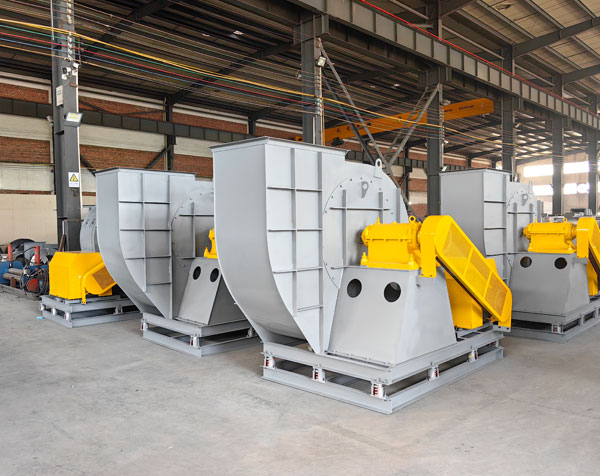
สิ่งแรกที่ผมให้ความสำคัญในพัดลมดูดฝุ่นคือการทำงานที่เสถียร ระบบดูดฝุ่นมักทำงานเป็นเวลานาน และพัดลมที่ไม่เสถียรอาจส่งผลกระทบต่อสายการผลิตทั้งหมด พัดลมดูดฝุ่นแบบสายพานของเราใช้โครงสร้างอุตสาหกรรมที่แข็งแรงทนทาน และสามารถปรับแต่งได้ตามสภาพแวดล้อมการทำงาน
โครงสร้างทนทานต่อการสึกหรอ
ฝุ่นละอองไม่ได้อ่อนโยนต่ออุปกรณ์เสมอไป อนุภาคแข็งที่เคลื่อนที่ผ่านระบบสามารถค่อยๆ สึกหรอใบพัดและพื้นผิวภายในได้ สำหรับการใช้งานกับฝุ่นละอองที่มีฤทธิ์กัดกร่อน จำเป็นต้องพิจารณาวัสดุและการออกแบบป้องกันอย่างรอบคอบ
เราสามารถหารือเกี่ยวกับการออกแบบที่ทนต่อการสึกหรอตามลักษณะของฝุ่นจริงได้ ขนาดอนุภาค ความเข้มข้น ความแข็ง ความเร็ว และชั่วโมงการใช้งาน ล้วนมีความสำคัญ ไม่มีวัสดุใดวัสดุหนึ่งที่เหมาะสมกับงานที่เกี่ยวข้องกับฝุ่นทุกประเภทโดยอัตโนมัติ
ตัวเลือกที่ทนต่อการกัดกร่อน
ก๊าซไอเสียบางชนิดมีส่วนประกอบที่กัดกร่อน ในกรณีเช่นนี้ โครงสร้างเหล็กกล้าคาร์บอนธรรมดาอาจไม่ใช่ตัวเลือกที่ดีที่สุด ขึ้นอยู่กับสภาพแวดล้อม เราอาจพิจารณาใช้วัสดุที่ทนต่อการกัดกร่อนที่เหมาะสม หรือการเคลือบป้องกันการกัดกร่อน
ประเด็นสำคัญคือ การเลือกวัสดุควรสอดคล้องกับองค์ประกอบของก๊าซและอุณหภูมิการทำงานจริง ผมไม่แนะนำให้เลือกสแตนเลสหรือวัสดุอื่น ๆ เพียงเพราะฟังดูแข็งแรงกว่า การเลือกที่เหมาะสมขึ้นอยู่กับกระบวนการทำงาน
ความดันอากาศคงที่
อุปกรณ์ดักจับฝุ่นมักต้องการแรงดันระดับหนึ่งเพื่อเอาชนะแรงต้านจากตัวกรอง ท่อ ไซโคลน เครื่องขัด และส่วนประกอบอื่นๆ พัดลมของเราได้รับการออกแบบโดยคำนึงถึงจุดการทำงานที่ลูกค้าต้องการ เพื่อให้การไหลของอากาศและแรงดันมีความสัมพันธ์กัน
โครงสร้างขับเคลื่อนด้วยสายพานที่ยืดหยุ่น
โครงสร้างแบบขับเคลื่อนด้วยสายพานช่วยให้พัดลมมีความยืดหยุ่นมากขึ้นในการปรับความเร็ว ซึ่งจะมีประโยชน์เมื่อความเร็วของใบพัดที่ต้องการแตกต่างจากความเร็วของมอเตอร์มาตรฐาน หรือเมื่อระบบต้องการอัตราส่วนการส่งกำลังที่เฉพาะเจาะจง
มีตัวเลือกการออกแบบที่ทนต่ออุณหภูมิสูงและป้องกันการระเบิด
งานเกี่ยวกับการจัดการฝุ่นและไอเสียบางประเภทเกี่ยวข้องกับอุณหภูมิสูงหรือฝุ่นที่อาจเป็นอันตราย สำหรับโครงการเหล่านี้ การออกแบบพัดลมต้องได้รับการพิจารณาทางวิศวกรรมเพิ่มเติม เราสามารถหารือเกี่ยวกับตัวเลือกที่ทนต่ออุณหภูมิสูงหรือป้องกันการระเบิดได้ตามสภาพการทำงานจริง
ผมขอเน้นย้ำประเด็นหนึ่งให้ชัดเจนเป็นพิเศษ คือ ข้อกำหนดเรื่องการป้องกันการระเบิดไม่ควรถูกมองว่าเป็นการเปลี่ยนมอเตอร์เพียงอย่างเดียว ต้องประเมินระบบทั้งหมด รวมถึงลักษณะของฝุ่น อุปกรณ์ไฟฟ้า การต่อสายดิน การระบายแรงดัน และสภาพแวดล้อมในการติดตั้ง ตามข้อกำหนดท้องถิ่นที่เกี่ยวข้อง
แนวทางของ OSHA เกี่ยวกับฝุ่นที่ติดไฟได้ระบุว่า ระบบเก็บฝุ่นและอุปกรณ์ที่เกี่ยวข้องอาจต้องมีมาตรการป้องกันการระเบิด การระงับ หรือการลดแรงดันที่เหมาะสม ขึ้นอยู่กับอันตราย นอกจากนี้ยังเน้นย้ำถึงการป้องกันการรั่วไหลและการสะสมของฝุ่นด้วย :contentReference[oaicite:3]{index=3}
| สภาพการทำงาน | จุดเน้นการออกแบบที่แนะนำ | การกำหนดค่าที่เป็นไปได้ |
|---|---|---|
| ฝุ่นละอองทั่วไปจากอุตสาหกรรม | การไหลของอากาศและแรงดันที่คงที่ | การก่อสร้างอุตสาหกรรมมาตรฐาน |
| ฝุ่นขัดถู | ลดการสึกหรอของชิ้นส่วนที่สัมผัสกับกระแสลม | วัสดุหรืออุปกรณ์ป้องกันที่ทนต่อการสึกหรอ |
| ไอเสียกัดกร่อน | ต้านทานการโจมตีทางเคมี | การเลือกใช้วัสดุที่ทนต่อการกัดกร่อน |
| ก๊าซอุณหภูมิสูง | ควบคุมการถ่ายเทความร้อนและอุณหภูมิของชิ้นส่วน | โครงสร้างที่ทนต่ออุณหภูมิสูง |
| ฝุ่นละอองที่อาจเป็นอันตราย | ควบคุมความเสี่ยงจากการจุดติดไฟและการระเบิด | การออกแบบป้องกันการระเบิดและการป้องกันระบบที่เหมาะสม |
ที่มา: ข้อมูลการกำหนดค่าผลิตภัณฑ์จัดทำโดยบริษัท Zhejiang Shangyang Industrial Fan Co., Ltd.; ข้อควรพิจารณาด้านความปลอดภัยอ้างอิงจากแนวทางปฏิบัติของ OSHA เกี่ยวกับฝุ่นที่ติดไฟได้ การกำหนดค่าขั้นสุดท้ายต้องได้รับการยืนยันจากสภาพกระบวนการจริงและข้อบังคับท้องถิ่นที่เกี่ยวข้อง :contentReference[oaicite:4]{index=4}
4. พัดลมดูดฝุ่นแบบใช้สายพานสามารถนำไปใช้ที่ใดได้บ้าง?
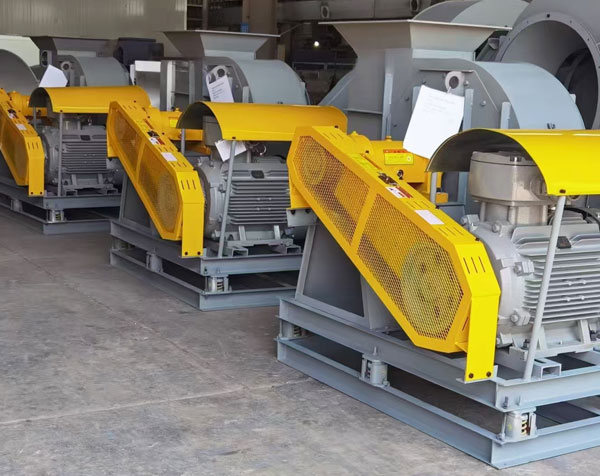
พัดลมดูดฝุ่นแบบใช้สายพานของเราส่วนใหญ่ใช้ในงานที่ต้องการเคลื่อนย้ายฝุ่นละออง อนุภาค ก๊าซจากกระบวนการผลิต หรืออากาศเสียผ่านระบบระบายอากาศหรือระบบดักจับฝุ่นในโรงงานอุตสาหกรรม เนื่องจากสภาพการทำงานแตกต่างกันมากในแต่ละโรงงาน เราจึงไม่จำกัดผลิตภัณฑ์ไว้เฉพาะอุตสาหกรรมใดอุตสาหกรรมหนึ่ง
วัสดุก่อสร้าง
กระบวนการผลิตปูนซีเมนต์ ปูนขาว ยิปซัม หิน เซรามิก และวัสดุก่อสร้างอื่นๆ สามารถก่อให้เกิดฝุ่นละอองจำนวนมาก พัดลมดูดฝุ่นอุตสาหกรรมที่เลือกอย่างเหมาะสมสามารถช่วยเคลื่อนย้ายอากาศที่มีฝุ่นละอองไปยังตัวกรองหรืออุปกรณ์บำบัดอื่นๆ ได้
โลหะวิทยา
กระบวนการแปรรูปโลหะอาจเกี่ยวข้องกับอากาศร้อน ควัน ฝุ่น และอนุภาคขนาดเล็ก ขึ้นอยู่กับกระบวนการนั้น พัดลมอาจได้รับการออกแบบให้ทนต่ออุณหภูมิสูง การสึกหรอ หรือการกัดกร่อนได้มากขึ้น
กระบวนการทางเคมี
โรงงานเคมีอาจมีสภาวะไอเสียที่แตกต่างกันมาก ก๊าซบางชนิดอาจกัดกร่อน ในขณะที่บางชนิดอาจต้องการอุณหภูมิหรือข้อควรพิจารณาด้านความปลอดภัยเป็นพิเศษ ในอุตสาหกรรมนี้ ผมให้ความสำคัญกับองค์ประกอบของก๊าซที่แท้จริงมากกว่าการเลือกพัดลมโดยพิจารณาจากปริมาณลมเพียงอย่างเดียว
การเคลือบและการทาสี
สายการผลิตเคลือบผิวจำเป็นต้องมีการระบายอากาศที่ควบคุมได้เพื่อกำจัดไอเสียจากกระบวนการผลิตและรักษาระดับการไหลเวียนของอากาศที่เหมาะสม ประสบการณ์ด้านพัดลมอุตสาหกรรมของเราครอบคลุมถึงอุปกรณ์เคลือบผิวและการใช้งานด้านการปกป้องสิ่งแวดล้อม
การแปรรูปผง
การจัดการผงแป้งอาจก่อให้เกิดอนุภาคละเอียดซึ่งจำเป็นต้องมีการเก็บรวบรวมอย่างควบคุม ขึ้นอยู่กับวัสดุ อาจต้องพิจารณาถึงความเป็นไปได้ของฝุ่นที่ติดไฟได้ ดังนั้นจึงควรเลือกพัดลมให้เหมาะสมกับเครื่องดักฝุ่นและระบบความปลอดภัย
การผลิตพลังงานใหม่
สายการผลิตพลังงานใหม่สามารถเกี่ยวข้องกับฝุ่นละออง ก๊าซจากกระบวนการผลิต การอบแห้ง และการบำบัดไอเสีย การกำหนดค่าพัดลมที่เหมาะสมนั้นขึ้นอยู่กับกระบวนการผลิตแต่ละอย่างเป็นอย่างมาก
โครงการคุ้มครองสิ่งแวดล้อม
นี่เป็นหนึ่งในแอปพลิเคชันที่ตรงไปตรงมาที่สุด พัดลมสามารถทำหน้าที่เป็นส่วนประกอบสำคัญในการเคลื่อนย้ายอากาศในระบบกำจัดฝุ่นและบำบัดก๊าซเสีย อาจใช้ร่วมกับตัวกรองถุง ตัวกรองแบบตลับ ไซโคลน เครื่องขัด หรืออุปกรณ์บำบัดอื่นๆ
คำแนะนำด้านประสิทธิภาพการใช้งานภาคสนามของ AMCA ครอบคลุมการใช้งานพัดลมในกระบวนการอุตสาหกรรม การระบายอากาศ การลำเลียง การอบแห้ง การทำความสะอาดอากาศ และการดักจับฝุ่น ซึ่งสอดคล้องกับบทบาทที่หลากหลายของพัดลมอุตสาหกรรมในระบบกระบวนการต่างๆ :contentReference[oaicite:5]{index=5}
| อุตสาหกรรม | การใช้งานทั่วไป | ข้อกังวลหลักของแฟนคลับ |
|---|---|---|
| วัสดุก่อสร้าง | การดักจับฝุ่นและไอเสียจากกระบวนการผลิต | ปริมาณฝุ่นและการสึกหรอ |
| โลหะวิทยา | การดูดควันและฝุ่นละออง | อุณหภูมิและอนุภาค |
| เคมี | การระบายก๊าซเสีย | การกัดกร่อนและองค์ประกอบของตัวกลาง |
| การเคลือบ | สีและไอเสียจากกระบวนการผลิต | ความเสถียรและความปลอดภัยของการไหลเวียนของอากาศ |
| การแปรรูปผง | การดูดฝุ่น | อนุภาคขนาดเล็กและฝุ่นละอองที่อาจเป็นอันตราย |
| พลังงานใหม่ | การระบายอากาศในกระบวนการผลิตและการควบคุมฝุ่นละออง | สภาวะก๊าซเฉพาะกระบวนการ |
ที่มา: ตัวอย่างการใช้งานอ้างอิงจากข้อมูลผลิตภัณฑ์ที่จัดหาโดย Zhejiang Shangyang Industrial Fan Co., Ltd. โดยขอบเขตการใช้งานพัดลมทั่วไปได้รับการตรวจสอบซ้ำกับแนวทางการใช้งานพัดลมอุตสาหกรรมของ AMCA :contentReference[oaicite:6]{index=6}
5. วิธีการผลิตและทดสอบพัดลมของเรา
พัดลมอุตสาหกรรมที่ดีนั้น เริ่มต้นจากข้อมูลการใช้งานก่อนที่จะประกอบใบพัดเสียอีก สำหรับเรา การผลิตเริ่มต้นด้วยข้อมูลการใช้งาน เราจำเป็นต้องทราบปริมาณลมที่ต้องการ ความดัน อุณหภูมิ สารที่ใช้ เวลาในการทำงาน วิธีการติดตั้ง และเงื่อนไขสำคัญอื่นๆ
เมื่อยืนยันสภาพการทำงานแล้ว จึงจะสามารถเลือกโครงสร้างและวัสดุของพัดลมได้ ผลิตภัณฑ์มาตรฐานเป็นไปตามกระบวนการผลิตที่เรากำหนดไว้ ในขณะที่ผลิตภัณฑ์ที่ไม่เป็นไปตามมาตรฐานจะได้รับการปรับเปลี่ยนตามความต้องการที่แท้จริงของลูกค้า
ขั้นตอนที่ 1: ตรวจสอบสภาพการทำงาน
เราตรวจสอบปริมาณลม ความดัน อุณหภูมิ สื่อ พื้นที่ติดตั้ง ข้อกำหนดของมอเตอร์ และตารางการใช้งาน หากข้อมูลไม่ครบถ้วน การเลือกก็จะมีความน่าเชื่อถือน้อยลง นี่คือเหตุผลที่ฉันชอบใช้เวลามากขึ้นในขั้นตอนเริ่มต้นมากกว่าการแก้ไขปัญหาหลังจากส่งมอบสินค้าแล้ว
ขั้นตอนที่ 2: การออกแบบพัดลม
ทีมงานด้านเทคนิคของเราออกแบบโครงสร้างพัดลมโดยคำนึงถึงจุดการทำงานที่เลือกไว้ ใบพัด ตัวเรือน เพลา ชุดแบริ่ง ระบบขับเคลื่อน และส่วนประกอบอื่นๆ จะถูกพิจารณาเป็นหน่วยเดียวกันทั้งหมด
ขั้นตอนที่ 3: การเตรียมวัสดุและส่วนประกอบ
การเลือกใช้วัสดุจะขึ้นอยู่กับสภาพแวดล้อมการทำงาน สำหรับสภาพแวดล้อมที่มีการเสียดสี กัดกร่อน หรืออุณหภูมิสูง ข้อกำหนดของวัสดุอาจแตกต่างจากพัดลมดูดฝุ่นทั่วไป
ขั้นตอนที่ 4: การผลิตและการประกอบ
ชิ้นส่วนต่างๆ จะถูกผลิตและประกอบตามแบบที่กำหนดไว้ โดยให้ความสำคัญเป็นพิเศษกับใบพัด เพลา ระบบขับเคลื่อนด้วยสายพาน ตัวเรือน และขนาดของจุดเชื่อมต่อ เนื่องจากชิ้นส่วนเหล่านี้ส่งผลโดยตรงต่อการทำงานของพัดลม
ขั้นตอนที่ 5: การตรวจสอบและการทดสอบ
ก่อนการจัดส่ง เราจะทำการตรวจสอบการทำงานและประสิทธิภาพตามข้อกำหนดที่ตกลงกันไว้ นอกจากนี้ยังจะตรวจสอบการเพิ่มขึ้นของอุณหภูมิและสภาวะการใช้งานในกรณีที่เกี่ยวข้องด้วย
จุดประสงค์ของการทดสอบไม่ใช่เพียงแค่ทำให้เครื่องจักรทำงานได้ เราต้องการยืนยันว่าผลิตภัณฑ์ที่ส่งมอบตรงตามข้อกำหนดทางเทคนิคที่ตกลงกันไว้ มาตรฐานการทดสอบพัดลมของ AMCA ในปัจจุบันก็เน้นย้ำถึงวิธีการทดสอบในห้องปฏิบัติการที่เป็นมาตรฐานเดียวกัน เพื่อกำหนดประสิทธิภาพทางอากาศพลศาสตร์ เช่น การไหลของอากาศ แรงดันที่เกิดขึ้น กำลัง ความหนาแน่นของอากาศ ความเร็วรอบ และประสิทธิภาพ :contentReference[oaicite:7]{index=7}
สำหรับลูกค้าที่ต้องการเอกสารการทดสอบเฉพาะ สามารถพูดคุยเกี่ยวกับรายงานและเอกสารที่มีอยู่ก่อนยืนยันคำสั่งซื้อได้
กระบวนการผลิตและจัดส่งตามปกติของเรา
ลูกค้าเป็นผู้กำหนดสภาพการทำงานและข้อกำหนดทางเทคนิค
เราตรวจสอบความถูกต้องของการเลือกและการกำหนดค่าพัดลมแล้ว
ข้อกำหนดทางเทคนิคได้รับการตกลงกันแล้ว
การผลิตจะเริ่มดำเนินการหลังจากได้รับการยืนยันคำสั่งซื้อแล้ว
โดยปกติแล้ว รุ่นมาตรฐานจะใช้เวลาประมาณ 7-15 วันทำการ
รุ่นที่ไม่เป็นไปตามมาตรฐานจะถูกกำหนดตารางการผลิตตามวัสดุ ขนาด และการปรับแต่งเฉพาะบุคคล
จะมีการตรวจสอบการทำงานและประสิทธิภาพก่อนการจัดส่ง
รายงานการทดสอบและรายการชิ้นส่วนจะถูกจัดส่งตามข้อกำหนดการส่งมอบที่ตกลงกันไว้
พัดลมจะถูกบรรจุและจัดส่งตามขนาดของสินค้าและปลายทาง
6. การจัดส่ง การชำระเงิน การขนส่ง และบรรจุภัณฑ์
สำหรับพัดลมอุตสาหกรรม การส่งมอบไม่ได้จบลงเมื่อเครื่องออกจากโรงงาน อุปกรณ์ยังต้องไปถึงสถานที่ของลูกค้าอย่างปลอดภัย พัดลมขนาดใหญ่อาจมีขนาดและน้ำหนักที่ผิดปกติ ดังนั้นการวางแผนการขนส่งจึงมีความสำคัญ
วงจรการผลิต
โดยทั่วไปแล้ว รอบการผลิตมาตรฐานของเราคือ 7–15 วันทำการข้อกำหนดนี้ใช้กับรุ่นมาตรฐานหลังจากที่ได้ยืนยันรายละเอียดทางเทคนิคและข้อกำหนดการสั่งซื้อแล้ว พัดลมแบบสั่งทำพิเศษ วัสดุพิเศษ ขนาดที่ผิดปกติ หรือสภาพการทำงานพิเศษ อาจต้องใช้เวลาในการผลิตเพิ่มเติม
มาตรฐานการจัดส่ง
การส่งมอบสินค้าเป็นไปตามข้อกำหนดทางเทคนิคที่ตกลงกันไว้และข้อกำหนดของอุตสาหกรรม ขึ้นอยู่กับโครงการ เอกสารประกอบอาจรวมถึงรายงานการทดสอบและรายการชิ้นส่วน ควรยืนยันเอกสารที่แน่นอนเมื่อทำการสั่งซื้อ
วิธีการชำระเงิน
วิธีการชำระเงินปกติของเราคือการโอนเงินผ่านธนาคาร สำหรับอุปกรณ์อุตสาหกรรมที่สั่งทำพิเศษ รายละเอียดการวางเงินมัดจำและชำระยอดคงเหลือจะได้รับการยืนยันในสัญญาซื้อขาย สำหรับผลิตภัณฑ์พัดลมดูดฝุ่นที่กล่าวถึงในที่นี้ โดยทั่วไปแล้วจะเป็นการวางเงินมัดจำก่อน แล้วจึงชำระยอดคงเหลือทั้งหมดก่อนการจัดส่ง
การขนส่ง
การขนส่งภายในประเทศสามารถจัดได้ทั้งแบบเต็มคันรถหรือแบบไม่เต็มคันรถ ขึ้นอยู่กับขนาดของอุปกรณ์และปลายทาง สำหรับคำสั่งซื้อจากต่างประเทศ สามารถใช้การขนส่งทางเรือแบบตู้คอนเทนเนอร์ได้หากเหมาะสม
บรรจุภัณฑ์
เราใช้ฟิล์มยืดห่อหุ้มเครื่องจักรทั้งหมดเพื่อป้องกันฝุ่นและความชื้น ชิ้นส่วนสำคัญจะได้รับการป้องกันเพิ่มเติมด้วยลังไม้หรือวัสดุบรรจุภัณฑ์ที่เหมาะสมอื่นๆ ตามความจำเป็น จุดประสงค์นั้นง่ายมาก คือเพื่อลดความเสี่ยงจากความชื้น การกระแทก การชน และการเคลื่อนไหวระหว่างการขนส่ง
สำหรับอุปกรณ์อุตสาหกรรมขนาดใหญ่ ผมขอแนะนำให้ตรวจสอบเงื่อนไขการขนถ่ายก่อนการจัดส่งด้วย ลูกค้าควรทราบขนาดโดยประมาณของสินค้า น้ำหนัก จุดยก และข้อกำหนดการเข้าถึงพื้นที่ล่วงหน้า
7. เหตุผลที่ฉันแนะนำให้ร่วมงานกับ Shangyang Fan
ผมเชื่อว่าความแตกต่างที่สำคัญที่สุดระหว่างผู้จำหน่ายพัดลมอุตสาหกรรมทั่วไปกับผู้จำหน่ายทางเทคนิคที่มีประโยชน์นั้น ไม่ได้อยู่ที่รูปลักษณ์ของผลิตภัณฑ์เพียงอย่างเดียว แต่ขึ้นอยู่กับว่าผู้จำหน่ายเข้าใจสิ่งที่เกิดขึ้นหลังจากพัดลมออกจากโรงงานหรือไม่
บริษัท Zhejiang Shangyang Industrial Fan Co., Ltd. มีทีมงานผู้เชี่ยวชาญด้านการออกแบบ การผลิต และการขายพัดลม โดยมีประสบการณ์ในอุตสาหกรรมมายาวนานกว่า 20 ปี โรงงานของเราตั้งอยู่ที่เมืองจินหยุน มณฑลเจ้อเจียง ผลิตพัดลมอุตสาหกรรมทั้งแบบมาตรฐานและแบบไม่มาตรฐานสำหรับการใช้งานในกระบวนการผลิตที่หลากหลาย
ผลิตภัณฑ์ของเราประกอบด้วย พัดลมแบบแรงเหวี่ยง พัดลมสำหรับอุณหภูมิสูง พัดลมดูดอากาศ พัดลมแบบแกน พัดลมแบบแรงเหวี่ยงเสียงเบา พัดลมแรงดันสูง พัดลมแบบแรงเหวี่ยงสแตนเลส พัดลมหมุนเวียนอากาศร้อน พัดลมผสมอากาศ และพัดลมแบบแรงเหวี่ยงป้องกันการระเบิด
เราสั่งสมประสบการณ์ด้านพัดลมเคลือบผิวและพัดลมรักษาสิ่งแวดล้อม และได้พัฒนาการออกแบบและการผลิตผลิตภัณฑ์อย่างต่อเนื่องมาเป็นเวลาหลายปี นอกจากนี้ เรายังมีรายงานการทดสอบระดับประเทศสำหรับผลิตภัณฑ์เฉพาะทาง และได้รับการรับรองต่างๆ รวมถึงการรับรองป้องกันการระเบิดและการประหยัดพลังงานสำหรับผลิตภัณฑ์ที่เกี่ยวข้อง
สำหรับ พัดลมดูดฝุ่นแบบขับเคลื่อนด้วยสายพานความรู้พื้นฐานนี้มีประโยชน์ เพราะการกำจัดฝุ่นนั้นไม่ใช่เรื่องที่ใช้ได้กับทุกสถานการณ์เสมอไป พัดลมสำหรับผงแห้งอาจไม่เหมือนกับพัดลมสำหรับก๊าซไอเสียร้อน พัดลมสำหรับอนุภาคที่มีฤทธิ์กัดกร่อนก็อาจไม่เหมาะกับก๊าซที่มีฤทธิ์กัดกร่อน และพัดลมสำหรับระบบระบายอากาศมาตรฐานอาจไม่เหมาะสมกับสภาพแวดล้อมที่มีฝุ่นอันตราย
คำแนะนำของผมคือให้เริ่มจากกระบวนการทำงานก่อนเสมอ บอกเราว่าพัดลมต้องระบายอากาศอะไร อุณหภูมิเท่าไหร่ ต้องการปริมาณลมเท่าไหร่ ต้องการแรงดันเท่าไหร่ จะใช้งานกี่ชั่วโมง และมีอุปกรณ์อะไรเชื่อมต่ออยู่บ้าง จากนั้นเราจะสามารถออกแบบให้เหมาะสมยิ่งขึ้นได้
นอกจากนี้ เรายังสนับสนุนการผลิตพัดลมอุตสาหกรรมที่ไม่เป็นไปตามมาตรฐาน ซึ่งมีความสำคัญเมื่อรูปแบบการจัดวางอุปกรณ์ที่มีอยู่ไม่ตรงกับรุ่นมาตรฐานในแคตตาล็อก หรือเมื่อลูกค้ามีข้อกำหนดเฉพาะด้านขนาดการติดตั้ง วัสดุ การจัดเรียงระบบขับเคลื่อน หรือข้อกำหนดด้านกระบวนการผลิต
ผลิตภัณฑ์ของเราถูกใช้งานทั่วประเทศจีน และยังจัดจำหน่ายให้กับลูกค้าต่างประเทศในฐานะอุปกรณ์เสริม สำหรับโครงการส่งออก สามารถหารือเกี่ยวกับข้อกำหนดด้านการขนส่งและบรรจุภัณฑ์ได้ตามปลายทางและขนาดของสินค้า
8. คำถามที่พบบ่อยเกี่ยวกับพัดลมดูดฝุ่นแบบใช้สายพาน
ข้อดีหลักของพัดลมดูดฝุ่นแบบใช้สายพานคืออะไร?
ข้อได้เปรียบหลักในทางปฏิบัติคือความยืดหยุ่นในการส่งกำลัง มอเตอร์และเพลาพัดลมเชื่อมต่อกันด้วยสายพานและรอก ทำให้สามารถเลือกอัตราส่วนการส่งกำลังได้ตามความเร็วพัดลมที่ต้องการ ซึ่งมีประโยชน์ในระบบอุตสาหกรรมที่ความเร็วพัดลมที่ต้องการไม่ตรงกับความเร็วของมอเตอร์โดยตรง
พัดลมดูดฝุ่นแบบใช้สายพานเหมาะสำหรับการใช้งานต่อเนื่องหรือไม่?
สามารถออกแบบให้ใช้งานต่อเนื่องในอุตสาหกรรมได้ เมื่อเลือกพัดลม มอเตอร์ ตลับลูกปืน ระบบสายพาน วัสดุ และระบบระบายความร้อนให้เหมาะสมกับสภาพการทำงานจริง การทำงานต่อเนื่องควรระบุไว้ในขั้นตอนการเลือก ไม่ใช่คาดเดาหลังจากติดตั้งเสร็จแล้ว
พัดลมตัวนี้สามารถรับมือกับฝุ่นละอองที่มีฤทธิ์กัดกร่อนได้หรือไม่?
ใช่แล้ว สามารถพิจารณาการออกแบบที่ทนต่อการสึกหรอที่เหมาะสมสำหรับงานที่เกี่ยวข้องกับฝุ่นกัดกร่อนได้ วิธีการที่เหมาะสมนั้นขึ้นอยู่กับขนาดอนุภาค ความเข้มข้นของฝุ่น ความแข็ง ความเร็วของก๊าซ อุณหภูมิ และชั่วโมงการทำงาน
พัดลมตัวนี้สามารถรับมือกับก๊าซกัดกร่อนได้หรือไม่?
อาจพิจารณาใช้วัสดุที่ทนต่อการกัดกร่อนหรือการเคลือบป้องกันสำหรับงานที่เหมาะสม เราจำเป็นต้องทราบองค์ประกอบของก๊าซ ความเข้มข้น อุณหภูมิ ความชื้น และสภาวะการใช้งานก่อนที่จะยืนยันการเลือกวัสดุ
คุณสามารถจัดหาเวอร์ชันที่ทนต่ออุณหภูมิสูงได้หรือไม่?
ใช่แล้ว การออกแบบโครงสร้างที่ทนต่ออุณหภูมิสูงสามารถพิจารณาได้ตามอุณหภูมิของก๊าซและสภาวะการทำงานจริง การออกแบบขั้นสุดท้ายอาจเกี่ยวข้องกับการใช้วัสดุที่แตกต่างกัน การจัดเรียงแบริ่ง ฉนวน การระบายความร้อน หรือการเปลี่ยนแปลงโครงสร้างอื่นๆ
พัดลมดูดฝุ่นสามารถผลิตให้ป้องกันการระเบิดได้หรือไม่?
สามารถพิจารณาการออกแบบที่ป้องกันการระเบิดได้สำหรับโครงการที่เหมาะสม อย่างไรก็ตาม วิธีแก้ปัญหาที่ถูกต้องนั้นขึ้นอยู่กับสภาพแวดล้อมที่เป็นอันตราย คุณลักษณะของฝุ่น การจำแนกประเภททางไฟฟ้า และข้อกำหนดด้านความปลอดภัยที่เกี่ยวข้อง พัดลมไม่ควรถูกเรียกว่าป้องกันการระเบิดเพียงเพราะมีการติดตั้งมอเตอร์ป้องกันการระเบิด
ฉันจะเลือกพัดลมดูดฝุ่นที่เหมาะสมได้อย่างไร?
เริ่มต้นด้วยข้อมูลพื้นฐาน 6 อย่าง ได้แก่ อัตราการไหลของอากาศ ความดัน อุณหภูมิ ชนิดของสารดูดฝุ่น ระยะเวลาการทำงาน และสภาพการติดตั้ง หากมีข้อมูลเพิ่มเติม โปรดระบุรุ่นของเครื่องดูดฝุ่น ขนาดและความยาวของท่อส่งอากาศ ความต้านทานของตัวกรอง องค์ประกอบของก๊าซ และกำลังมอเตอร์ที่ต้องการ รายละเอียดเหล่านี้จะช่วยให้เราสามารถเลือกเครื่องดูดฝุ่นได้อย่างเหมาะสมยิ่งขึ้น
ระยะเวลาการผลิตปกติคือเท่าไร?
โดยปกติแล้ว รุ่นมาตรฐานจะใช้เวลาประมาณ 7-15 วันทำการ หลังจากยืนยันรายละเอียดทางเทคนิคและข้อกำหนดการสั่งซื้อแล้ว สำหรับรุ่นที่ปรับแต่งเอง อาจต้องใช้เวลาเพิ่มเติมขึ้นอยู่กับขนาด วัสดุ และข้อกำหนดพิเศษ
พัดลมนี้บรรจุมาอย่างไร?
โดยปกติแล้ว พัดลมทั้งชุดจะถูกห่อหุ้มด้วยฟิล์มยืด ในขณะที่ชิ้นส่วนสำคัญอาจบรรจุในลังไม้หรือมีการป้องกันแรงกระแทกและความชื้นเพิ่มเติม วิธีการบรรจุจะปรับตามขนาดของอุปกรณ์และสภาพการขนส่ง
พัดลมถูกขนส่งอย่างไร?
การขนส่งภายในประเทศสามารถใช้บริการขนส่งเต็มคันรถหรือขนส่งไม่เต็มคันรถได้ ส่วนการขนส่งระหว่างประเทศสามารถจัดได้โดยการขนส่งทางเรือด้วยตู้คอนเทนเนอร์หากเหมาะสม วิธีการที่แน่นอนขึ้นอยู่กับขนาด น้ำหนัก ปลายทาง และความต้องการของลูกค้า
ข้อคิดส่งท้าย: การเลือกพัดลมดูดฝุ่นตามสภาพการทำงานจริง
หลังจากทำงานเกี่ยวกับพัดลมอุตสาหกรรมมาหลายปี ผมพบว่าการเลือกพัดลมจะง่ายขึ้นมากเมื่อเราหยุดถามว่า “พัดลมตัวไหนใหญ่ที่สุด?” และเริ่มถามว่า “พัดลมตัวนี้ต้องทำอะไรกันแน่?”
ดี พัดลมดูดฝุ่นแบบขับเคลื่อนด้วยสายพาน ควรเลือกพัดลมที่มีอัตราการไหลของอากาศและแรงดันที่เหมาะสมกับความต้องการของระบบ รวมถึงอุณหภูมิ ชนิดของฝุ่น องค์ประกอบของก๊าซ ระยะเวลาการทำงาน และสภาพแวดล้อมในการติดตั้ง ระบบขับเคลื่อนด้วยสายพานช่วยให้ได้ความเร็วที่เหมาะสมและความยืดหยุ่นในการส่งกำลัง ขณะที่โครงสร้างและวัสดุของพัดลมสามารถปรับให้เข้ากับสภาพอุตสาหกรรมที่ต้องการความทนทานสูงได้
สำหรับโครงการวัสดุก่อสร้าง โลหะวิทยา กระบวนการทางเคมี การเคลือบผิว การจัดการผง พลังงานใหม่ และการรักษาสิ่งแวดล้อม เราสามารถหารือเกี่ยวกับโซลูชันพัดลมดูดฝุ่นอุตสาหกรรมทั้งแบบมาตรฐานและแบบกำหนดเองได้ รอบการผลิตมาตรฐานของเราอยู่ที่ประมาณ 7-15 วันทำการ โดยตารางเวลาที่กำหนดเองจะได้รับการยืนยันตามโครงการจริง
ก่อนการจัดส่ง เราจะทำการตรวจสอบการทำงานและประสิทธิภาพตามข้อกำหนดที่ตกลงกันไว้ นอกจากนี้ เรายังจัดเตรียมเอกสาร บรรจุภัณฑ์ และการขนส่งที่เกี่ยวข้องตามคำสั่งซื้อด้วย
หากคุณกำลังเลือกซื้อพัดลมดูดฝุ่นอุตสาหกรรมอยู่ ผมขอแนะนำให้คุณส่งข้อมูลอัตราการไหลของอากาศ ความดัน อุณหภูมิ ชนิดของสารดูดฝุ่น สภาพของฝุ่น ระยะเวลาการใช้งาน และวิธีการติดตั้งมาให้เราก่อน ด้วยข้อมูลเหล่านั้น เราจะสามารถพูดคุยเกี่ยวกับพัดลมได้อย่างแม่นยำกว่าการดูแค่ชื่อผลิตภัณฑ์เพียงอย่างเดียว
หากต้องการเลือกใช้พัดลมดูดฝุ่นแบบขับเคลื่อนด้วยสายพาน สำหรับงานระบายอากาศอุตสาหกรรม การเก็บฝุ่น และการดูดควัน โปรดติดต่อบริษัท Zhejiang Shangyang Industrial Fan Co., Ltd. พร้อมแจ้งเงื่อนไขการทำงานและความต้องการทางเทคนิคของคุณ